Thursday, May 9, 2013

Slow News Summary: Spring 2013

First slow news summary since February. Are you ready for all this link love?

On slow design, slow making, and slow home:

As expected, slowLab have relaunched their crowdfunding campaign on Indiegogo. Their end product will be the Slow Design Knowledge Platform (a web-based learning tool, community hub, and research incubator) - and their pledge rewards are absolutely the coolest. I've signed up for the collaborative Slow Design Reader and the ability to host a Slow Dialogue in my city (details to be announced soon!), but I'm also coveting the exquisite porcelain cups and wishing I had the cash to travel to their location and do an intensive workshop. Sigh. (BTW, if you were one of their supporters on Kickstarter, you should be aware that your credit card was never actually charged and that you need to repledge if you want to support them.) Oh, and if you happen to be in NYC for Design Week 2013, they're doing a brilliant HUMAN CHAIR project that you can participate in:


HUMAN CHAIR #slowhuman from slowLab on Vimeo.

On slow fashion:

On slow food:
On slow travel:
On slow living, slow parenting, slow money, and so forth:

On sustainability and environment:

The monarch butterflies are in trouble. Plant more milkweed! (If only the fix for the massive declines in honeybee populations was as simple to implement.)

Tuesday, April 30, 2013

Bioregional dyeing in Alberta

Lately I've had my nose down, researching what fibres and dyes I can use for my projects that are completely local (I'll save my thoughts on regional fibres for another post.). Although I have used commercially-made acid dyes to dye fabrics in the past, my experience with natural dyes has been limited - so, I'll be blogging about it as I learn. I'd love to grow the dye plants that can be grown here in USDA Zone 3, and also take a bio-regional approach by foraging for dye plants that grow wild here.
rose hips and bark from today's walk
There is basic information about natural dyeing using local plant materials here and here and some inspirational photos here; I'm also now doing more detailed research using the books from this amazing bibliography. Oh, and this link talks about traditional natural dyes used by first nations artisans for porcupine quills, which may provide some more ideas for bioregional dyeing.

My dyeing set-upI'm hoping to work outside when the weather is good, but the ventilation is good in my kitchen when I'm working with nontoxic dyestuffs. I already have pH paper, a big enamel lobster pot, a thrifted glass casserole dish, thrifted canning jars, tongs, a dye measuring spoon, and a set of Majic Carpet acid dyes with formula books in my rug hooking stash. Oh, and a propane camp stove in my backpacking box, and a clothesline that needs to be installed. Yesterday I visited a local art supply shop and added a tjanting tool for batik work and a natural indigo dyeing kit, and ordered some goodies from Maiwa in Vancouver. There may be some additional instuments that are part of the materials for the Surface & Textile Design intensive at the U of A in July (so. very. excited.). I still need to look for second hand: more dye pots, slotted spoons, bowls, and measuring spoons - made of stainless steel or enamel or (if I get lucky) copper - and a kitchen scale and hot plate.

Dye sources I will plant in my new garden (many are also food sources, yay!):
  • Rhubarb leaves (note: poisonous!)
  • Hollyhock 'nigra', for the blossoms
  • Heather
  • Woad (I have ordered seeds from Wearing Woad in BC - a noxious weed here so they *must* be harvested before going to seed)
  • Carrots (I have seeds from Cubits in Ontario)
  • Beets (I have seeds from Cubits) (too highly fugitive)
  • Blueberry
  • Cherry tree and/or pear tree - for the leaves
  • Blackberries - for the leaves, berry dye is fugitive
  • Marigolds, for the blossoms (which coincidentally are our city's official flower - no idea why, since they're not exactly local)
Dye sources to forage locally (many of these are wild or invasive):
  • dandelion
  • goldenrod
  • big basin sagebrush / Artemesia tridentata
  • curly dock / Rumex crispus
  • sheep sorrel / Rumex acetosella (this can give a beautiful green)
  • tansy / Tanacetum vulgare
  • horsetail / Equisetum arvense
  • fennel / Foeniculum vulgare
  • St John's wort / Hypericum perforatum
  • prickly pear fruit
  • elderberry
  • Canada thistle / Cirsium arvense
  • common mullein / Verbascum thapsus
  • prairie sunflower / Helianthus petiolaris
  • rose hips or petals from the wild roses that flourish in the nearby ravine
  • bark from dead lodgepole pine (on a trip to the foothills) or birch
  • fallen leaves from birch or trembling aspen
  • acorns from burr oak (which is planted as a shelterbelt tree on the Prairies)
  • there may be more on the noxious weed list that I can experiment with
  • certain lichens and mosses grow in abundance in the woods near me, so they might also be worth trying
In addition, I can collect wood ash from the weekend bonfires the teenagers have down in the ravine, and dig a little of the red clay that's everywhere here to use as a source of iron. I should also experiment with using our hard local water instead of distilled water to see how it changes the colours I get.

Reference books I am using:
  • Harvesting Color, by Rebecca Burgess (2011) 
  • A Weaver's Garden, by Rita Buchanan (1999)
  • Wild Color (Revised & Updated), by Jenny Dean (2010)
  • Eco Colour, by India Flint (2010)
  • The Complete Guide to Natural Dyeing, by Eva Lambert & Tracy Kendall (2010)
  • The Handbook of Natural Plant Dyes, by Sasha Duerr (2010)
  • Alberta Agriculture's Weeds of the Prairies (2000) for plant identification


Thursday, March 21, 2013

What are you making?

My YEGhead: planting seeds & watching them grow. Metaphorically.
Via Make Something Edmonton on Facebook.
Tonight is the launch party for the amazing Make Something Edmonton project, and I was lucky enough to grab a ticket before it sold out. Hopefully today's snowstorm won't prevent me from going!

In the spirit of the event, I thought I'd make a little list of what I'm making:

1. The Local Good. I've been on the volunteer board of directors of this amazing grassroots organization for several years now, and I am extremely proud of the work we are doing to make it easy to find the amazing local projects, businesses, and events in Edmonton. In our early years, we noticed that we'd met lots of people doing similar projects with common goals who were not aware of each other's work, and we felt that the best way we could make change was to bring them together so they can exchange ideas, create collaborations, and make amazing things happen. All our projects, from our events listing and blog, to themed Green Drinks networking events, to the Good Hundred Party and educational panel discussions, are based around the simple idea of fostering community by making it easy for people with common values and interests to find each other.

2. My bicycle blog, Loop-Frame Love, which I co-write with a rotating cast of collaborators. There has been a lot of heated rhetoric around bike lanes in our city lately; this project makes a small difference by showing that cycling in this city (and my co-bloggers') is not just for hipster messenger dudes on fixies, weekend warriors on mountain bike trails or training in pelotons, and wierdo commuters on hybrids wearing safety orange. There's a wonderful community of year-round bike-culture bloggers in Edmonton, and we hope that ours adds to the diversity and approachability of cycling voices in the city. So far our biggest contribution has been the Critical Lass rides we organize for female cyclists in street clothes, on a route suitable for novice riders, to promote cycling as an approachable, fun, everyday activity. Although there are other social rides sans politics and testosterone in other cities, we were the first in the world to take the tongue-in-cheek name "Critical Lass" for ours, and that name is now also being used in bike-culture model cities like Chicago and Seattle. LFL has outgrown our Blogspot space, so this spring we are relaunching as loopframelove.com, and we've just recruited fabulous new co-blogger Emma; we're also planning monthly Critical Lass rides and our first-ever Kidical Mass (for families).

3. This blog! If you're visiting from my twitter feed, this is where I explore the slow movement and all its facets, and gradually figure out shape my encore career will take. I know it involves slow design and slow craft, so it will be all about Making Something Edmonton - but I'm still finding my voice. Another ongoing topic of this blog is using my standard suburban move-up home as a slow home renovation case study, and an upcoming post will talk about creating an annual block party with my neighbors to build community in my neighborhood (where most residents have moved in in the last two years). I will also be planning a slow movement themed unconference as a collaboration between this blog and The Local Good this autumn, so stay tuned for details on that!


Sunday, February 24, 2013

Slow News Summary: Mid-Winter Edition

Pssst: Keep it on the down-low, but I hope to have some exciting news to share soon about a slow design event that I'm planning. Meanwhile, check out all the slow goodness that's been popping up on the intertubes:

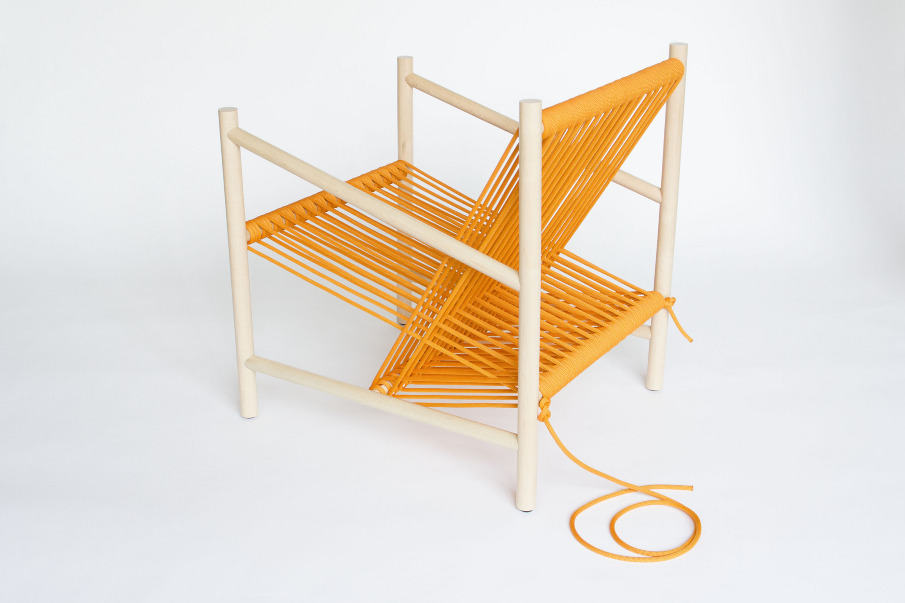
Calgarian Laura Cardwardine's brilliant Loom Chair was shown at the Prototype exhibit at IDS13 in Toronto last month. Via her page on Cargo Collective - follow the link to see a slideshow of how she designed & created it. 
On Slow Design, Slow Making, and Slow Home: 
On Slow Fashion:


Slow Fashion Forward have posted a wonderful set of simple guidelines to help consumers make more sustainable fashion choices.

On Slow Travel:
On Slow Food:
On Slow Living, Slow Parenting, and Slow Work:
On Sustainability and Environment:

Must reads from the past couple of months: The Atlantic on how food and climate are connected; Mother Jones on the enormous challenge of preventing polar bear extinction; and The Guardian on domestic spying at the behest of the conservative Canadian government on citizens who disagree with their environmental policies. 

Thursday, February 7, 2013

Slow Pastime: Family History Stories

Remember when I said I'd share a few of the more interesting stories from my family tree?


I love the simplicity of this sunburst-style family tree from Modern Trees, which can go to seven generations. via Eco & Elsie. Maybe for my birthday?

1. The Irish Ancestor Who Wasn't

Sometimes family stories aren't exactly correct. We'd been told that one of my maternal great-great-grandfathers was named Caleb O'Leary, an Irish orphan, who died tragically young under suspicious circumstances when my great-grandmother was a toddler. He was found dead on the railroad tracks, his family believed he'd been murdered, and local police refused to investigate because they assumed he'd been accidentally killed by a train while drunk (prejudice against Irish was commonplace at the time).

The digitized records tell a different story. After years of fruitless searches for him under the name O'Leary, among families who emigrated during the potato famine, I went back to basics and looked at the census records we had for him. Turns out Caleb's surname wasn't recorded as O'Leary, but as Leary - and the Learys were listed as being of German ethnicity. Leary is an anglicization of the German Lerich/Lerch/Lorch (from "The Valley of the Larks"), and the family arrived with the first wave of Foreign Protestants who were brought in from central Europe to settle Lunenburg, Nova Scotia in the mid-1700s. Caleb was raised by his aunt, Ellen Leary Weagle, but had he actually been orphaned? His birth parents are listed as George Leary and Alice, of New Germany, Lunenburg County, Nova Scotia, in his marriage record. However, there is no record of a marriage between George Leary and an Alice, and all the Alices that appear in the census in New Germany and other nearby communities in Lunenburg County were far too young. George's marriages were to Desire (or is it said Desiree?) Peet, then Clara Grace Fiendel after Desire's death. At first I thought Alice must have been a relationship between the marriages, and then I found the date of Desire's death, about 9 months after Caleb was born. Then I went back to the NS Archives' website to take another look at the marriage record, and realized that the whole page of marriages was written in the same hand with the same pen at the same time - it had been transcribed at some point! An illicit relationship with a teenager that was hushed up successfully and appears in none of the other family trees or family stories, seems far less likely than that "Alice" is just a mistranscription of "Desire" from a damaged or difficult-to-read church record, and that baby Caleb was sent to be raised by his dad's eldest sister while his grieving father struggled with the farm and five other children under age nine.

This also provides an explanation for his identification in family stories as Irish: Desire's parents were George Peet, who was born in New Dublin, Lunenburg County to a family who had emigrated from Northern Ireland - and Maria Arenburg, from another South Shore German family. And George Leary's mother was Elsie Dougherty, from another Irish family. So Caleb's family was part-Irish. And his origins were garbled by subsequent generations because he died so young. 

(I'm now stalled out trying to find George Peet's family.)

As for Caleb's accidental or not-so-accidental death, there are no digital records for that, but years ago my sister found a newspaper article about his death at the Nova Scotia Archives that gave a date and confirmed that he'd been found dead on the railroad tracks. She has misplaced her photocopy of it, but the original will still be in the Archives waiting to be read. The "unsolved murder" story is waiting to be solved.

2. The Puritan Mother Who Was Burned As A Witch

Mary Barnes, the first wife of Thomas Barnes of Farmington, Connecticut, was one of the last three people executed in Connecticut for witchcraft. It's thought that she was hung, not burned at the stake, at the site where Trinity College now stands in Hartford. The records of her life and death are fragmentary; it's not clear who her parents were (there isn't a shred of evidence to tie her to the parents given in most family trees online), or who accused her of witchcraft, and although she denied being a witch, nobody defended her during the trial. Mary and Thomas had four children when she was executed, and they were young enough that Thomas brought in Mary Andrews (an elder daughter of a nearby family, who he later married), to take care of the children while their mother was in prison. Some have suggested that her husband wanted Mary out of the way so he could marry the girl next-door, but reputable historians point out that speaking in her defence might have only served to get her husband accused too, with the result that they'd both be hung and their children would become indentured servants - and remarrying the woman who came to care for the children after a wife's death was hardly uncommon during this period.

We are supposedly descended from Thomas' son Thomas, who would have been 10 years old when his mother was hung. He is my eighth great grandfather, from my dad's side of the family tree. Unfortunately the family trees that all this is based on are a complete schmozzle of duplicated individuals and alternative birthdates (as discussed here), and it looks like Thomas' son Thomas might be the son of Mary Andrews, not Mary Barnes - or could be from the family in Middletown instead of the family in Farmington. It will take a fair bit of research to sort the mess out.


Friday, December 7, 2012

Slow News Summary: Early Winter 2012

You guys, November was rough. The kids, my husband, and I spent the whole month fighting a bug characterized by multiple relapses - and then there was the onset the blues that hit me every fall in October and November. I don't know if it's post-influenza depression or seasonal affective disorder, but I got myself one of those nifty treatment lights and I've upped my omega fatty acid and vitamin D supplements. I've also been being gentle with myself and filling my time with inspirational reads and project planning, in addition to my volunteer work with The Local Good - we had our fifth anniversary party the other night! Events like that really energize me, because I get to chat with so many amazing people who are working in their own way to make our city cooler. Anyway, let's get down to brass tacks. There's so much interesting stuff to share with you.

I made a snow drawing yesterday! The snail was Terra Madre inspired, obviously. I had to mess with the photo's contrast, and you still can't see the antennae and face detail - phone cameras and twilight aren't a great combination. It was surprisingly easy to do in the freshly fallen powder. No snowshoes required. Lots of fun. 
Oh, yeah. If you're on the Twitter, you might be interested in following all the people on my recently-updated Slow Movement list.

On Slow Design, Slow Making, and Slow Home:
  • The originators of the slow design movement, slowLab, have just launched a Kickstarter to fund creating a wonderful open-source resource that promises to deepen the design conversation and further the slow movement as a whole. The pledge rewards are amazing, especially if you'd like to hold a slow design event in your city (that's a bit of foreshadowing for those of you in Edmonton. Ahem.). Go watch their video, and support their project.
The brilliant folks at Sugru have created a Fixer's Manifesto. LOVE.
  • Speaking of manifestos (manifestoes? manifesti?), Brett at The Lab has created a spiffy one for anyone who is into slow making, slow craft, slow cloth, or just making things from scratch.
  • Brooke from Slow Your Home has been on fire with collaborations and guest posts, and I am so happy for her. Check out her interview on The Midway Simplicity Show, her slow workspace post for Epheriell Design, and her fantastic pre-holidays decluttering guide.
  • I've written before about slowing the suburbs - this post from GOOD on urban farming is an important addition to that discussion. The ability to grow food on the land surrounding suburban houses is a huge asset that we can use to our collective advantage as a society - and we should be figuring out how our city planners and governments can be helping to support that.
  • A twitter friend (thanks Marcelo!) also pointed me to this great TEDx talk from a spacing.ca editor, about suburban versus urban and 'cupcake urbanism' (wonderful coinage!). There are strip malls in Millwoods (an older suburb of Edmonton) that look like his example from Scar-beria, too, with a crazy mix of diverse services being offered by tiny mom-and-pop shops, close to public transit and on-street bike infrastructure and patronized by the people who live in the neighborhood. Drive through the 'burbs on the north side of town and you see the same kind of diversity. If we're going to encourage families to live downtown or in inner-ring suburbs where that diversity of services has been lost, the gutting of inner-ring commercial strips and movement of services to cheaper land on the outskirts of cities needs to be reversed somehow.
  • The guys from Slow Home in Calgary have created a real estate service based on their slow home criteria. Brilliant!
  • I commented when we were house-hunting that, according to our realtors, environmentally-friendly features are seen in the industry as an 'extra', instead of adding value to a home. Green Building Advisor point out that means most banks won't lend you the money for them as part of your mortgage. So, if you're looking to build or buy green real estate, how do you get green features appropriately appraised? This is a really important issue if we're ever going to retrofit existing houses to reduce their huge carbon footprint.
Elaine Lipson from Red Thread Studio posted her presentation on Slow Cloth from the 2012 Textile Society of America Symposium on her blog. It's brilliant and inspiring. Truly. 
On Slow Fashion:
On Slow Food:
  • Holy guacamole: a third of worldwide greenhouse gas emissions come from food production when fertilizer production, packaging, and transport are included. The CGIAR reports that figure comes from is a pretty important one for you to read, foodies and farmers and thinkers about food security.
  • Locally, there was much ado about Edmonton's food and urban agriculture strategy, which in the end was adopted as written with very little tinkering (If you follow me on Twitter, I was one of many who live-tweeted the meetings.). I have mixed feelings about the results. I liked the draft report as a starting point for creating local food policies, although it needs more meat on its bones. I'm thrilled that city council mandated the creation of a food council and funded office space and an employee for them. The job description laid out for them in the food & ag report is promising, although I'm worried that the position may come with very little ability to change the status quo; local food advocates will need to give whoever is hired in that position a lot of support. I'm disappointed that the discussions about preserving farmland were essentially deferred to the Area Structure Plan process. I'm disappointed that ideas that are pivotal for advocates of urban farming, like bylaw changes to allow backyard hens, were a joke to certain members of council - food advocates will also have some public education to do to overcome such attitudes.
  • At the same time those hearings were going on, there was a Food Secure Canada conference happening in Edmonton - check out Joveena Holmes' Storify to get a sense of the issues around food sovereignty and social justice that they discussed. 
  • Hmm. Is our organic food certification system really as troubled as this implies?
  • Reason had a great post illustrating how government regulations meant for industrial-scale food processing are endangering traditional food-making techniques. 
  • A pretentious old fart in the NYT on food replacing fine art as High Culture. (Oh no! The barbarians are at the gates!)
  • Required reading: the fantastic accounts of the highlights and issues discussed at Slow Food International's Terra Madre & Salone Del Gusto event from Lia Rinaldo (who was part of the Canadian delegation), Earth911, and three posts at Zester Daily. Oh, and an article summarizing Slow Food's legacy that appeared on the Beeb's website just before the conference.
  • So. What are you doing on Terra Madre Day?
  • Oh, yeah, and the Americans had an election and a GMO-labelling proposition got defeated. As an ex-scientist, I have a nuanced view of the GMO issue, so I haven't talked about it much - but here's a great article to remind anyone who needs it that labelling laws are not the raison-etre of the food movement. (Also, why do they put such things on ballots in the States? Why bother having politicians if you'll decide the outcome of complicated policy debates by public ballot? American politics makes my head hurt.)
On Slow Living:
The holidays are upon us, and a few great posts are making the rounds that talk about ways you can slow down the experience. The four-gift rule image above comes from Given To Love. Shareable did a great post a couple of years ago on doing a donation exchange. Treehugger talked about the importance of shopping local, from an urbanism perspective. There are a brilliant list of non-item gifts at SlowYourHome and design*sponge, and slow inspiration to spare with a gift list by Margaret and musings on gift-giving by Zoe at SlowMama. The Savvy Do-Gooder took a critical look at Giving Tuesday.


On Slow Travel:

On Sustainability and Environment:


Tuesday, October 23, 2012

Slow Design: Veneer Pendant Lamps


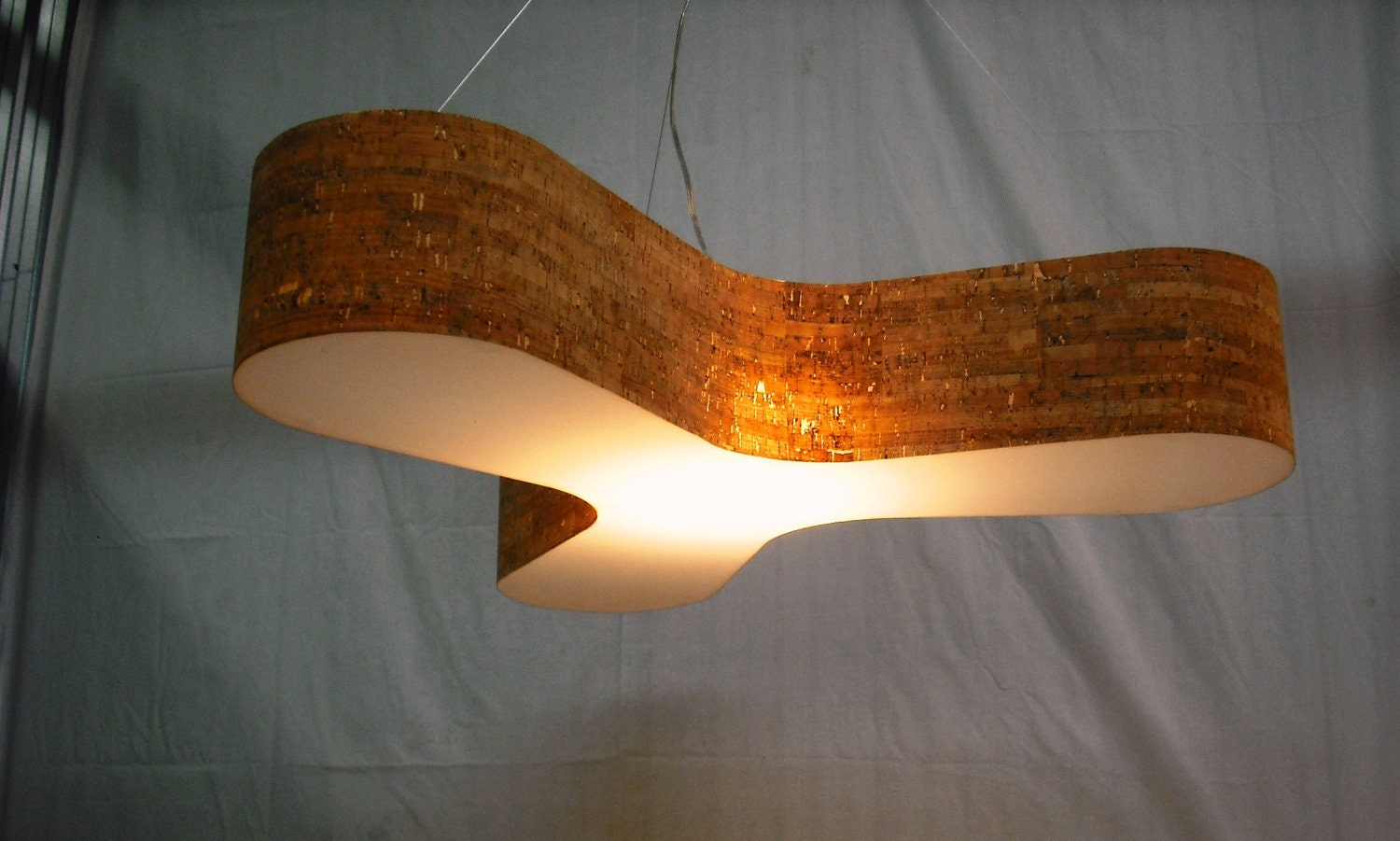
I'm obsessed right now with pendant lamps made of wood veneers. Not only are they gorgeous, they're sustainable - they are designed for use with low-wattage LED and CFL lamps, the production of veneer is extremely resource-efficient (imagine putting a log into a pencil sharpener and using the shavings), and FSC-certified versions are widely available. Here are a few of my current favourites:

David Trubridge's stunning flat-pack bamboo ply Coral pendant. Via Design Within Reach.

Propellor Design's magnificent Meridian pendant, a Canadian design,
which is available in birch or walnut veneer or ecoresin. Via Remodelista.

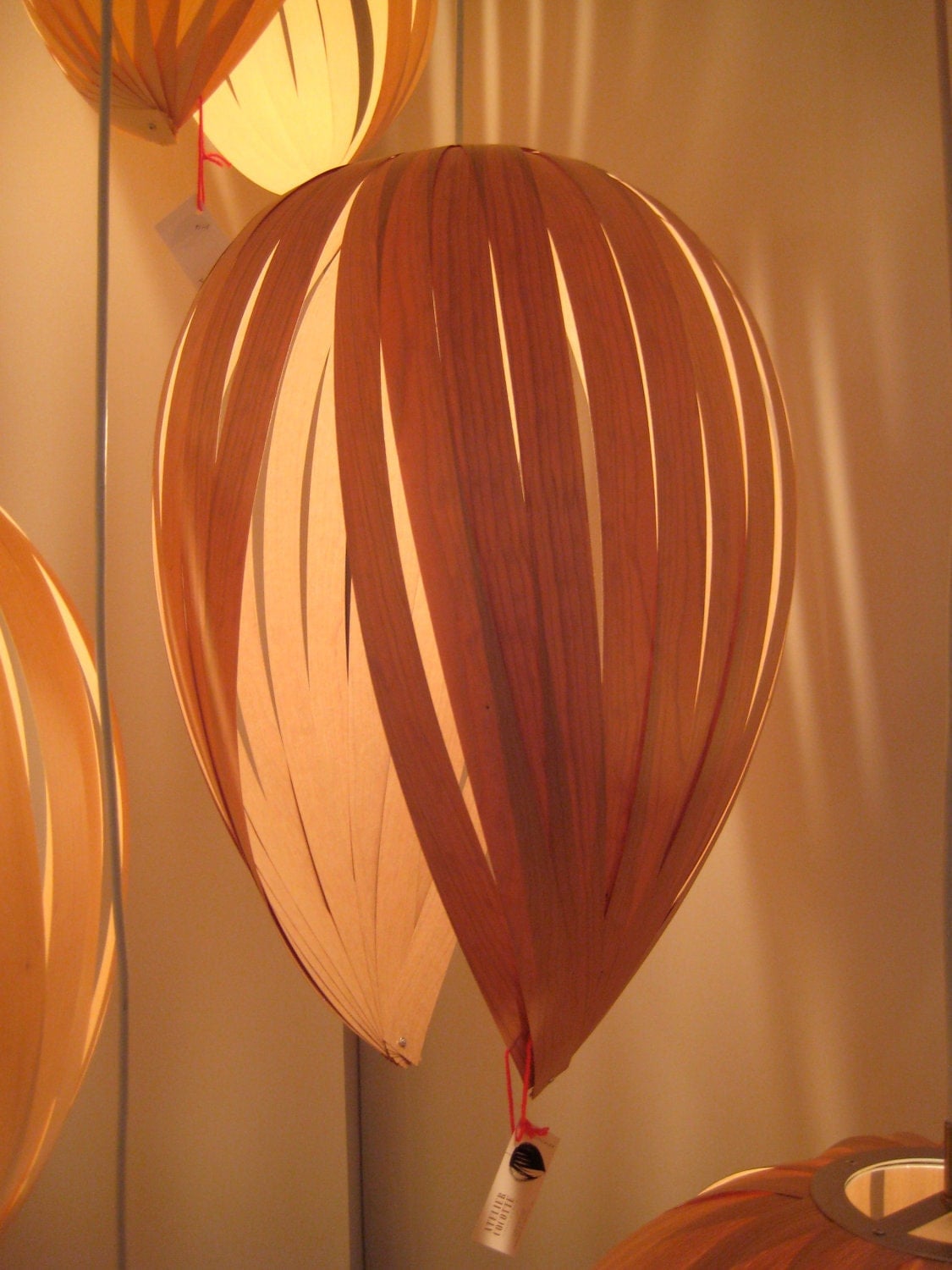
Another Canadian design, Atelier Cocotte's Gladys pendant in birch veneer. Via Etsy.

Transfigure's Trinity suspension lamp in cork veneer. Via Etsy.


Flaco lamp by Casper Madsens. Via 79Ideas.

7Gods' Puku lamp, via 42 Concepts. Out of production but Tom Raffield makes a similar one.

Tom Raffield's gorgeous steam-bent veneer globes (Pendant No.1) make me weak-kneed. 

Most of these beauties are in the $500+ range, which is not in the budget right now. However, I do have some prior experience in creating pendant lamps from scratch. So I'm planning to make something myself to replace the yawn over our dining table. The raw materials are affordable, although finding long veneer strips that haven't been backed with paper or glue is more challenging, and ideally I'd like to find a local, sustainable veneer source (I might even need to work with a local mill or woodturner to have something custom-made.).  I figure, I want to try crossing the instructions for a string pendant lamp (I need a ball at least 28 inches in diameter for it to be the right scale for the room, by my calculations), with the instructions for the woven wood veneer lamp (also seen here), throw in some wood bending techniques, and see what the grain of the wood will allow me to do. Stay tuned.